Unleash Business Growth: Customized SEO Services for Your Brand
In this competitive landscape, firms must consider tailored SEO offerings to drive growth. A one-size-fits-all tactic often comes up short, leaving individual brand needs unaddressed. By focusing on specific audience insights and industry challenges, entities can develop effective strategies. This personalized approach is key for enhancing visibility and generating traffic. However, understanding how to implement these strategies effectively is necessary. What are the key components that make tailored SEO truly impactful?
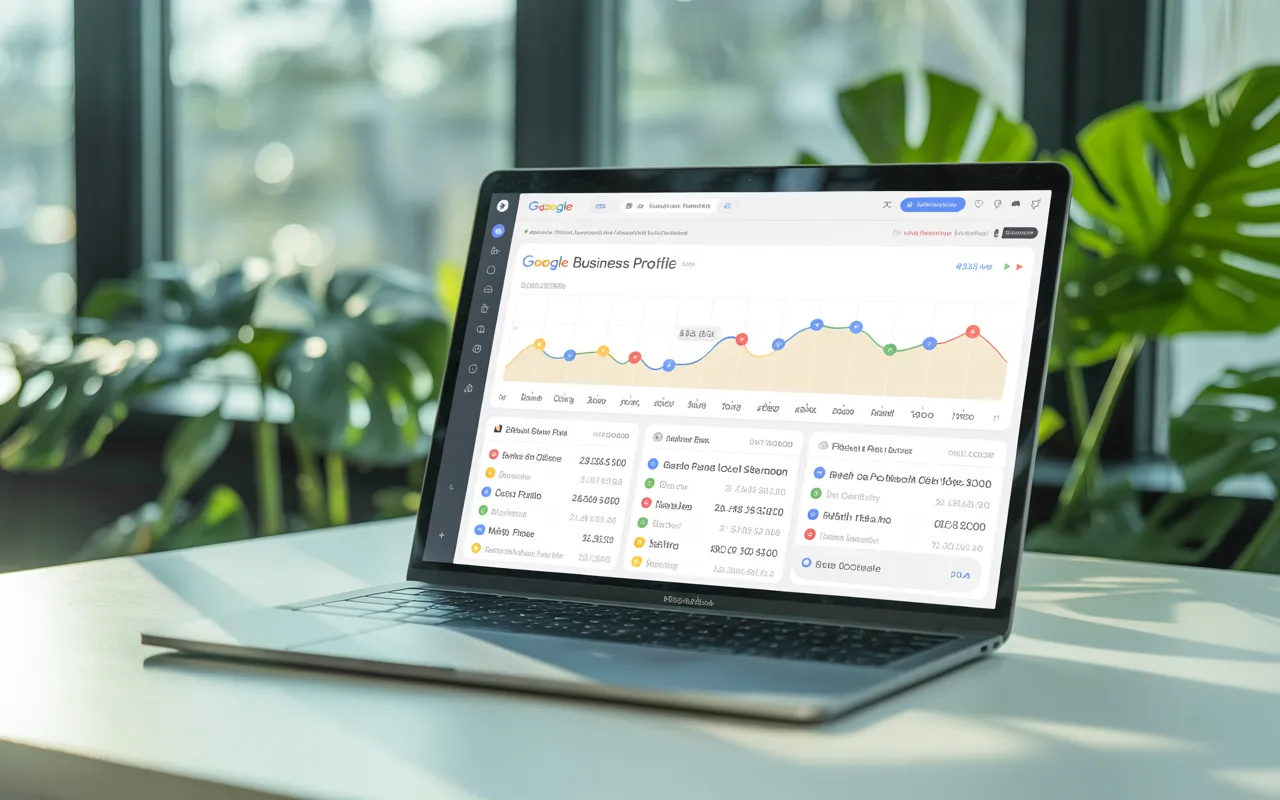
How to Identify Your Distinct SEO Needs
In what way can a brand successfully pinpoint its specific SEO requirements? The methodology commences with a in-depth review of the brand's customer base and competitive landscape. Grasping who the prospective clients are and what search terms they use is crucial. This can be accomplished through search analysis, which enables identification of suitable terms and topics that resonate with the consumers.
Next, companies should evaluate their website performance metrics using analytical tools. Key metrics such as organic visitors, exit rates, and sales conversion rates provide understanding into sections needing improvement. Additionally, performing an search engine optimization audit uncovers technical problems, such as broken hyperlinks or slow loading times, that may impede search rankings.
In the end, aligning SEO objectives with broader business objectives matters. By explicitly laying out desired outcomes, including greater visibility or lead generation, brands can customize their SEO approaches efficiently. This focused approach ensures that efforts yield significant results in line with the brand's vision.
Why Custom SEO Is Crucial to Growing Your Enterprise
Customized search engine optimization is vital for enterprises working to boost their web visibility and increase expansion. By adapting strategies to satisfy specific sector needs and key demographics, businesses can boost visibility in search engine results. One-size-fits-all SEO approaches often fail to address distinct challenges, resulting in lost opportunities for conversion and interaction.
A tailored SEO plan assesses different factors, including the market environment, customer actions, and emerging trends. This focused method allows businesses to focus on pertinent keywords, improve content proficiently, and utilize analytics for continuous improvement.
In addition, bespoke SEO cultivates stronger connections with customers by synchronizing content with their interests and preferences, boosting user engagement. Since search engines progressively favor valuable and relevant content, enterprises that dedicate resources to tailored SEO are ideally positioned to win over and keep customers. Ultimately, customized SEO functions as a worthwhile investment that drives sustainable growth and strengthens brand identity in a competitive digital marketplace.
Essential Parts of Bespoke SEO Plans
Powerful personalized SEO strategies copyright on fundamental factors, primarily keyword exploration methods and content optimization strategies. These components function together to strengthen visibility and connection, confirming that a brand attracts its target audience successfully. By utilizing meticulous approaches in these areas, businesses can markedly improve their online presence.
Keyword Research Techniques
Unlocking the capabilities of tailored SEO tactics begins with thorough keyword research practices. These practices include finding relevant keywords that match a brand's aims and target market. Using tools such as Google Keyword Planner or SEMrush, businesses can reveal high-traffic keywords and assess competition statistics. Long-tail keywords also play an vital role, as they tend to draw more granular search queries, improving conversion rates. Moreover, reviewing competitors' keywords can deliver insights into market trends and opportunities. Effective keyword research not only informs content strategy but also supports in grasping customer intent, ensuring that the brand's digital presence resonates with its audience. Ultimately, thorough keyword research lays the foundation for successful SEO initiatives.
Content Refinement Methods
Building on the knowledge obtained from keyword research, SEO enhancement approaches are pivotal for improving a company's digital presence. Effective strategies encompass creating high-quality, engaging content that matches audience needs and integrates targeted keywords seamlessly. Employing heading elements and bullet points enhances readability, while ensuring page data, such as page titles and snippet text, is refined can greatly affect CTR. Additionally, integrating multimedia elements like pictures and visual content enhances visitor engagement and encourages longer site visits. Consistently refreshing content helps maintain importance and credibility in search engines. Tracking results through data analysis allows for continuous refinement, guaranteeing that the optimization strategies evolve with changing market trends and audience preferences, ultimately generating long-term expansion for the company.
Widespread Missteps to Circumvent With Bespoke SEO
In the space of tailored SEO, enterprises often commit significant errors that can obstruct their success. Overlooking keyword research and disregarding competitor analysis are two common pitfalls that can substantially impact visibility and performance. Addressing these mistakes is critical for establishing an strong SEO strategy that truly appeals with the target audience.
Overlooking Search Term Study
Ignoring keyword research can weaken even the most meticulously developed SEO strategies. Without a solid knowledge of the keywords and phrases prospective clients use, brands might fail to draw relevant visitors. This neglect can cause poorly optimized content that does not resonate with the intended audience, ultimately resulting in lost chances for engagement and sales. Moreover, ignoring keyword analysis often puts the brand at a market disadvantage by missing out on trending topics and emerging search terms. Customized SEO solutions must prioritize comprehensive keyword analysis to match content with user intent. By using powerful keyword techniques, businesses can boost visibility, increase search rankings, and generate sustainable growth, making sure their efforts produce significant results in a crowded digital landscape.
Ignoring Competitor Analysis
Neglecting to conduct comprehensive competitive research can significantly weaken a brand's SEO efforts. Many businesses ignore this essential step, concentrating exclusively on their own strategies. However, understanding competitors' strengths and weaknesses is vital for identifying possibilities and risks in the market. By analyzing competitor keywords, content strategies, and backlink profiles, brands can uncover gaps in their own SEO approaches. This understanding allows for more effective keyword selection and content creation that resonates with the target audience. Additionally, competitor analysis can highlight effective strategies that can be modified to fit a brand's specific requirements. Ignoring this aspect may result in overlooked possibilities and stagnated growth, ultimately hindering the brand's market advantage in an constantly changing digital landscape.
Monitoring Your SEO Effectiveness
How can a company truly comprehend the effectiveness of its search engine optimization initiatives? Measuring search optimization results demands a multifaceted approach that encompasses monitoring various key performance indicators (KPIs). Organic traffic is a main indicator, reflecting the count of users arriving via search engines. Additionally, brands should track keyword rankings to assess visibility and relevance.
Engagement statistics, such as abort rates and typical engagement time, provide data into user participation and content quality. Conversion rates are essential, since they reflect get the full story how well SEO strategies translate into desired actions, such as sales or inquiries.
Leveraging tools like Google Analytics and Search Console can enhance data collection, presenting thorough reports on performance trends. Frequently analyzing this data allows brands to create informed changes to their search engine marketing plans, ensuring ongoing growth and synchronization with business goals. In conclusion, these evaluations help determine the return on investment from SEO initiatives.
Final Steps: Deciding on the Optimal SEO Vendor for Your Brand
Identifying the ideal digital marketing partner can greatly influence a brand's online presence and growth. Businesses should begin by examining their specific needs, whether it's local SEO, technical refinement, or content production. A candidate partner's competency in these areas is vital.
Subsequently, assessing the partner's performance history is important; case studies and customer reviews deliver insight into their effectiveness. Open communication is an additional critical element; a quality SEO partner should clearly articulate their methods and projected outcomes.
Also, assess the tools and technologies the partner leverages, as up-to-date SEO necessitates sophisticated reporting and analytics functionality.
In the end, examine the cultural fit between the brand and the SEO agency. A mutual vision can enhance collaboration and produce better results. By taking these steps, brands can pick an SEO partner that corresponds to their goals and fosters long-term growth.
Popular Inquiries Asked Often
What amount of time Does It take to see SEO gains?
In most cases, it takes three to six months to achieve noticeable SEO gains. However, this timeframe can vary based on circumstances such as competition, website age, and the performance of the deployed strategies. Patience is essential.
How Much Do Custom SEO Services Expense?
The cost of tailored SEO services differs significantly, generally spanning from $500 to $5,000 monthly, based on the agency, the scope of services, and the unique demands of the organization pursuing search engine optimization.
Can I undertake SEO on my own or should I hire a trained expert?
People can elect to oversee SEO without external help or contract professionals. Handling SEO on your own needs effort and knowledge, while professionals deliver skill and streamlined processes, based on the business's resources, goals, and desired outcomes.
In What Manner Do Search Engine Algorithms Effect SEO Approaches?
Search engine systems greatly impact SEO plans by establishing ranking criteria. As algorithms evolve, businesses must adjust their tactics, concentrating on quality material, user experience, and relevant search terms to retain visibility and drive traffic efficiently.
What Resources Remain Vital for Effective SEO Examination?
Key tools for productive SEO evaluation comprise Google Analytics for monitoring traffic, SEMrush for keyword research, Moz for backlink analysis, Ahrefs for competitive analysis, and Screaming Frog for site audits, ensuring complete performance evaluation.